


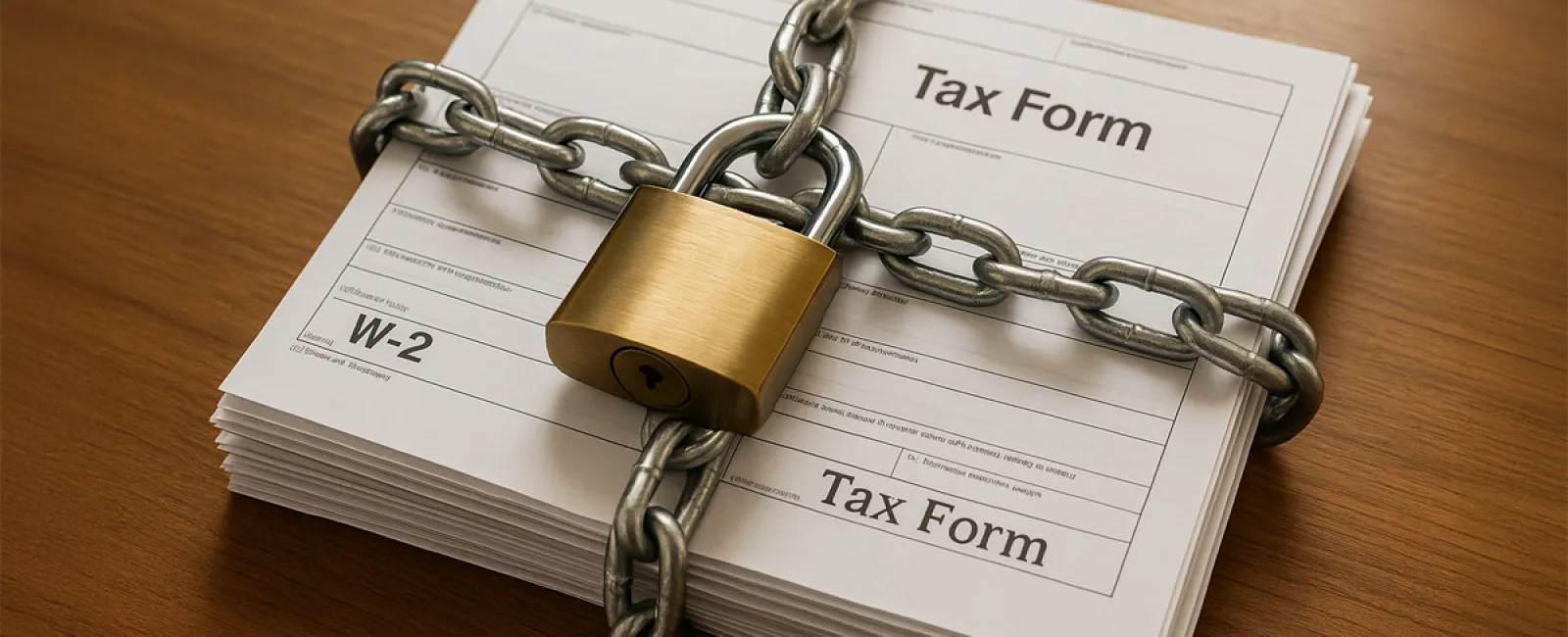
February marks the height of tax season, and the pressure on your accounting and bookkeeping teams is intensifying. W-2s, 1099s, and looming deadlines dominate everyone's thoughts.
Yet, the most daunting challenge during this period often isn't a tax form—it's a cunning scam that strikes before April even arrives.
This scam targets small businesses with alarming frequency. It might already be lurking in someone's inbox at your company.
Unpacking the W-2 Scam: What You Need to Know
The scam unfolds like this:
An employee responsible for payroll or HR receives an email appearing to come from the CEO, owner, or a top executive.
The message is brief and pressing:
"I need copies of all employee W-2s for a meeting with the accountant—can you send them immediately? I'm swamped today."
This email looks authentic. The tone is just right, and the urgency fits the busy tax season vibe. The request seems plausible.
Trusting the message, the employee forwards the W-2s.
But the truth? The email wasn't from the CEO but from a cybercriminal using a spoofed sender address or a look-alike domain.
Now, that criminal holds your employees':
• Full names
• Social Security numbers
• Home addresses
• Salary details
All the information needed to steal identities and file fraudulent tax returns before your employees can.
After the Scam: What Comes Next
Typically, victims discover the fraud when their tax returns are rejected with a message: "Return already filed for this Social Security number."
Someone else has already filed, claimed, and received their refund.
Your employee then faces extensive dealings with the IRS, credit monitoring services, identity theft protection, and months of tedious paperwork—all stemming from a scam they never anticipated.
Imagine this happening across your entire payroll team. Explaining the breach of personal information caused by a single fake email becomes a trust and HR crisis, risking legal consequences and damage to your company's reputation.
Why This Scam Is So Effective
This isn't a clumsy phishing attempt from a deceptive foreign prince. It's meticulously crafted because:
• The timing aligns perfectly with when W-2 forms are naturally requested, so no one finds the ask unusual.
• The request itself is reasonable—asking for W-2s is normal during tax season, unlike suspicious demands for money.
• The urgent tone seems authentic and blends into the fast-paced office environment.
• Cybercriminals do their homework, mimicking familiar names and email addresses to appear credible.
• Employees, driven by a desire to assist their superiors, often comply quickly without second-guessing.
Essential Steps to Shield Your Business
The silver lining is that this scam is avoidable through clear policies and heightened awareness—more than just advanced technology.
Institute a strict "no W-2s sent by email" policy with no exceptions. Sensitive payroll documents must never leave the company via email.
Any sensitive request should be confirmed through a separate channel—be it a phone call, in-person conversation, or company chat. Don't rely on email replies alone. Always use contact details you already have on file.
Hold a brief, focused training session immediately with your payroll and HR staff. Explain the spike in scams, what they look like, and how to respond. This quick awareness session is invaluable.
Secure your payroll and HR systems with multi-factor authentication (MFA). If a password is compromised, MFA acts as your critical last barrier.
Create a company culture where verification is encouraged and employees who double-check suspicious requests are praised, not criticized. This is your best defense against scams.
Implementing these five straightforward rules can be done this week and will significantly reduce your risk.
Looking Beyond the W-2 Scam
The W-2 scam is just the beginning. Expect a surge of tax-season fraud attempts including:
• Fraudulent IRS notices demanding urgent payments
• Phony emails mimicking tax software updates
• Spoofed messages from "your accountant" laden with malicious links
• Fake invoices disguised as legitimate tax expenses
Cybercriminals exploit the busy, distracted nature of tax season, banking on the fact that financial requests won't raise immediate suspicion.
Businesses that navigate tax season without falling victim aren't lucky—they're prepared with strong policies, dedicated training, and effective systems that detect and block fraudulent requests.
Prepare Your Business for Tax Season Now
If your business already has robust policies and an informed team, you're ahead of many others.
If not, take action today—not after a costly breach.
Schedule a 15-minute Tax Season Security Check where we will evaluate:
• Payroll and HR system access along with MFA use
• Your procedures for W-2 verification
• Email security measures against spoofing
• One critical policy adjustment many businesses overlook
And if your business isn't in need, please share this valuable information with someone who might benefit—it could save them from a devastating fraud.
Click here or give us a call at 816-256-2595 to schedule your free 15-Minute Discovery Call.
Because tax season is challenging enough without the threat of identity theft adding more stress.