


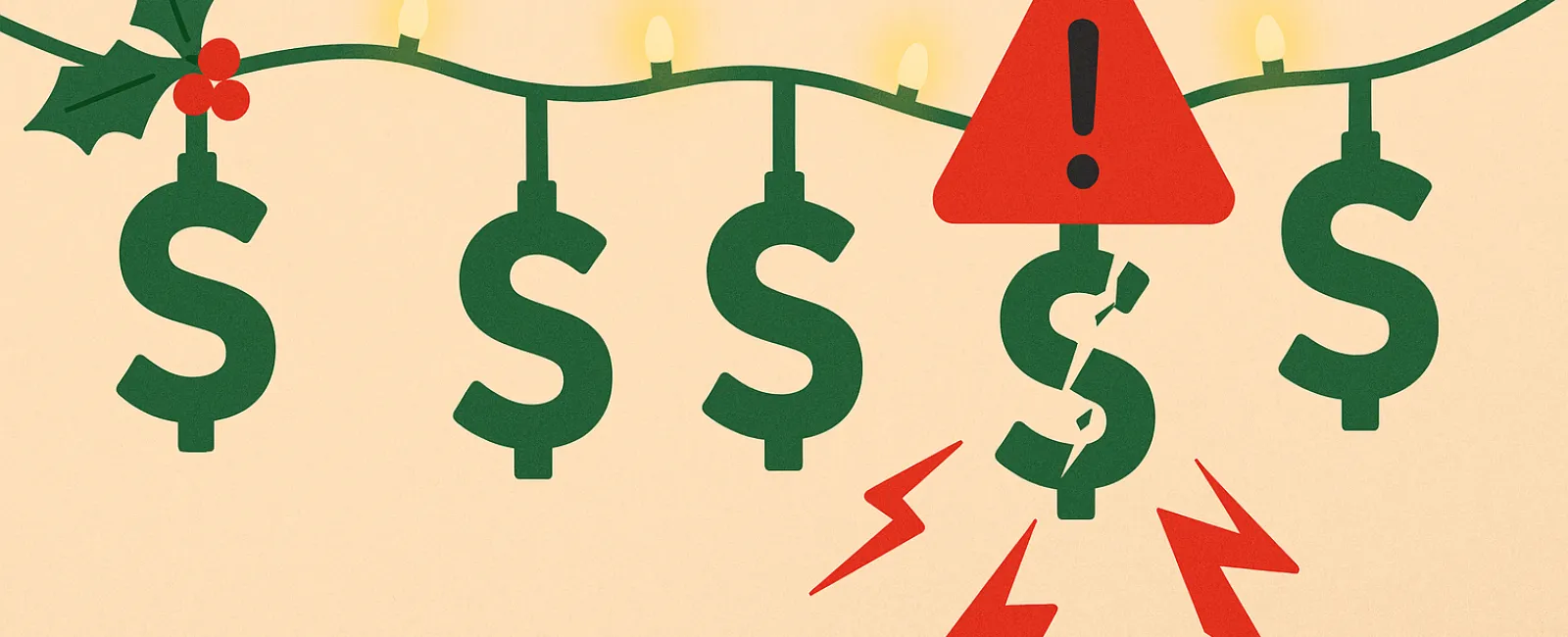
Last December, an accounts payable clerk received an unexpected text from someone claiming to be her "CEO": Purchase $3,000 worth of Apple gift cards for clients, scratch the backs, and email the codes immediately. Though suspicious, the message appeared to come from the boss during the hectic holiday season. Before she could double-check, the cards were gone, scammers had cashed out, and the company absorbed a costly loss.
While that scam hurt, some frauds can devastate businesses completely. In the same month, Luxembourg's chemical producer Orion S.A. fell prey to an even more damaging deception. An employee received seemingly routine, urgent wire transfer requests via email—appearing to be from trusted colleagues or partners. The requests looked official and consistent with regular business, prompting the employee to process multiple transfers without hesitation.
The catastrophic outcome? $60 million wired directly into cybercriminals' hands—over half of the company's yearly profits lost through fraudulent transfers.
Think your small business is safe from such attacks? Think again. In 2023, gift card scams alone drained businesses of over $217 million. Business email compromise (BEC) attacks accounted for 73% of cyber incidents reported in 2024. The holiday season is particularly vulnerable as employees juggle distractions, stress, and elevated transaction volumes.
5 Critical Holiday Scams Your Team Must Recognize Before They Drain Your Funds
1. "Your Boss Needs Gift Cards" Scam (The $3,000 Text Trap)
- The scam: Fraudsters impersonate executives, pushing staff to purchase gift cards for fictitious clients or employee rewards. In Q1 2024, 37.9% of BEC attacks involved gift card fraud.
- Prevention: Enforce company policies requiring dual approvals before any gift card purchase. Train employees that executives never request gift cards through text messages.
2. Invoice & Payment Redirection Frauds (The High-Stakes Game)
- The scam: Cybercriminals send emails with "updated banking details" or intercept vendor communications just as year-end payments are due. For example, Arlington, MA lost nearly $500,000 in June 2024 to this tactic.
- Prevention: Always verify banking detail changes via a known phone number, not the number included in the email. Implement a "phone call rule" for financial adjustments over $5,000.
3. Fake Shipping and Delivery Alerts
- The scam: Phishing emails or texts impersonate UPS, FedEx, or USPS, urging recipients to click malicious "reschedule delivery" links.
- Prevention: Educate employees to visit carrier websites directly by typing the URL into browsers or using official bookmarks, avoiding suspicious links.
4. Malicious "Holiday Party" Email Attachments
- The scam: Emails containing attachments like "Holiday_Schedule.pdf" or "Party_List.xls" that unleash malware when opened.
- Prevention: Block macros, scan all attachments carefully, and establish a culture where employees verify unexpected files before opening.
5. Fake Holiday Fundraiser Schemes
- The scam: Phishing websites masquerade as charities or fake company matching campaigns, stealing money or sensitive data.
- Prevention: Distribute an approved charity list and require all donations to be made through official platforms only.
Why These Attacks Succeed and How to Defend Against Them
Efficiency tools like email, online banking, and digital payments are exactly what cybercriminals exploit. These aren't outdated scams—they are highly sophisticated tactics combining social engineering with detailed company research.
Businesses conducting regular phishing simulations reduce their risk by 60%, yet many small firms don't train employees. Multifactor authentication can block 99% of unauthorized access, but numerous companies still rely solely on passwords.
Essential Holiday Cybersecurity Checklist
Prepare your team before the holiday surge with these critical steps:
- Two-Person Rule: Require verbal confirmation through an independent channel for transactions above your set limit.
- Strict Gift Card Policy: Clearly prohibit gift card purchases via email or text.
- Vendor Verification: Always confirm banking or payment information changes by calling numbers already on file.
- Activate Multifactor Authentication: Use MFA on all email, banking, and cloud services.
- Holiday Scam Awareness: Educate your team on these five scams using real-world examples.
Beyond Money: The True Cost of Cyberattacks
While Orion's $60 million theft grabbed headlines, smaller businesses often feel deeper impacts such as:
- Severe disruptions to operations during critical periods
- Lost productivity as employees scramble to respond
- Damaged customer trust if sensitive information is breached
- Rising insurance premiums following cyber incidents
With the average BEC loss reaching $129,000—enough to shut down many small businesses at the worst possible time—proactive defense is essential.
Keep Your Holidays Joyful, Not Risky
The holiday season should be about growth and celebration, not cleaning up costly fraud. A quick team briefing, clear policies, and layered security measures can dramatically reduce your risk of becoming a victim.
Remember: The Orion employee's single phone verification could have prevented a $60 million loss. With the right training and simple procedures, your business can avoid falling prey to cybercriminals this holiday season.
Ready to fortify your team before the New Year? Click here or call us at 816-256-2595 to schedule a 15-Minute Discovery Call. We'll guide you step-by-step through practical defenses to protect your business. Don't let cybercriminals steal your holiday success—the best gift you can give your company this season is peace of mind.